Core Case

There are several reference cases here
Application of Extra-Large Diameter Butterfly Valves in the Circulating Water System of a Large Coal-Fired Power Project
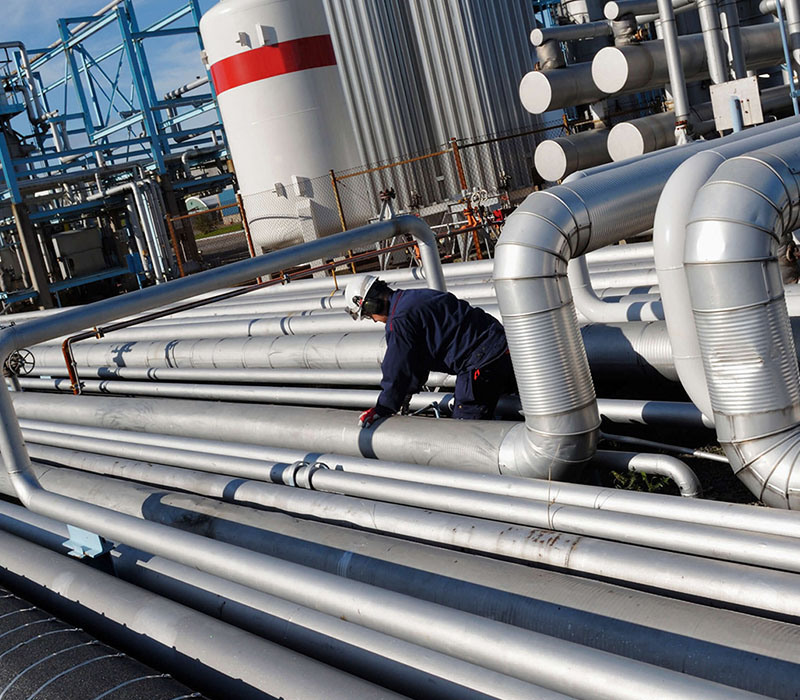
For this large coal-fired power project, the circulating water system serves as the vital lifeline of the plant’s cooling operations. The system involves massive pipeline diameters and immense flow rates, operating in an environment characterized by high humidity and high corrosivity; consequently, the valves require exceptional reliability, sealing performance, and flow capacity. Traditional gate valves are unsuitable for such conditions, as they are bulky and expensive, while also imposing high flow resistance and energy consumption. The project utilized multiple batches of our extra-large diameter (DN3200) electric butterfly valves. Featuring a low-flow-resistance design, these valves ensure adequate water flow while effectively reducing pumping energy consumption. The valve bodies incorporate multi-layer anti-corrosion treatments and reinforced structures, enabling them to withstand the highly humid and corrosive circulating water environment with ease. To meet the demands of modern, highly automated power plant operations, each valve is equipped with a precise, reliable electric actuator that supports intelligent remote control and seamless integration with the plant’s Distributed Control System (DCS), allowing for real-time, accurate regulation of cooling water flow. Since commissioning, the circulating water system has operated stably and efficiently—free from jamming or leakage—ensuring reliable continuous full-load operation for the power generation units and earning unanimous acclaim from the project owner for our products.
Application of Large-Diameter Butterfly Valves for High-Temperature Flue Gas Treatment at a Copper Smelting Enterprise
A large copper smelting enterprise employs a flash smelting process in which the flue gas exiting the smelting furnace reaches temperatures as high as 550°C and contains highly corrosive gases, such as sulfur dioxide. The flue gas must pass through a waste heat boiler for heat recovery before entering the acid-making system; consequently, a large-diameter butterfly valve is required between the waste heat boiler and the electrostatic precipitator to manage gas flow switching and system isolation. Traditional gate valves suffer from severe deformation and slow closing speeds under such high-temperature, corrosive conditions, failing to meet the requirement for rapid shut-off during emergencies. The enterprise selected our DN1800 high-temperature butterfly valve; both the valve body and the disc are constructed from 310S heat-resistant stainless steel, enabling stable, long-term operation at temperatures up to 600°C. Our valve features an elastic seat design that automatically compensates for differential thermal expansion, a valve shaft with a hollow cooling design and specialized heat dissipation components, and sealing elements made from a special graphite composite material capable of withstanding temperatures up to 800°C. When the acid-making system requires maintenance, our valve transitions from fully open to fully closed in just 12 seconds—significantly faster than the 30-plus seconds required by comparable products—thereby effectively preventing the risk of flue gas leakage. The valve has operated continuously and stably at the facility for five years, requiring only two routine maintenance sessions during that period; it has become a core component of the enterprise’s high-temperature flue gas treatment system, fully demonstrating the reliability of our products under extreme operating conditions.
Energy-Saving Butterfly Valve Retrofit at a Municipal Wastewater Treatment Plant
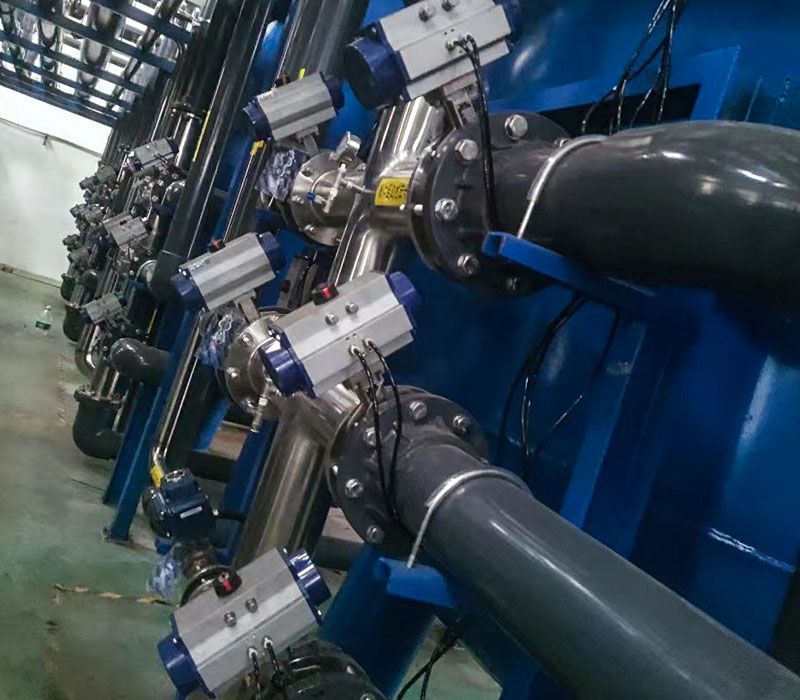
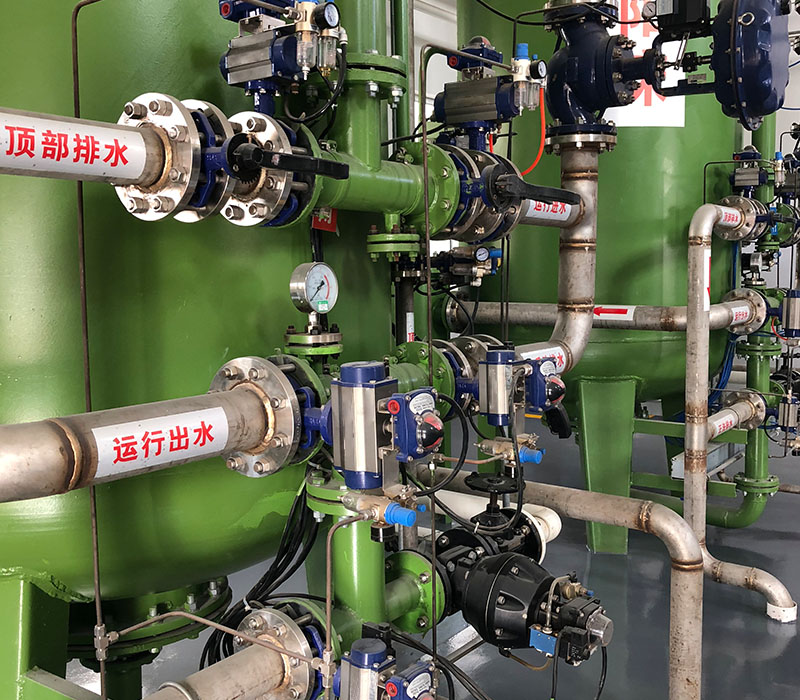
At a municipal wastewater treatment plant, the original gate valves used in the sludge thickening and dewatering processes were bulky, required high operating torque, and offered poor sealing performance, resulting in high energy consumption and frequent maintenance. This was particularly problematic in sludge pumping lines, where the gate valves’ high flow resistance increased pumping energy consumption. Furthermore, their gland packing seals suffered severe wear from the particle-laden medium, leading to a leakage rate of 0.3%; this not only created a poor on-site working environment but also raised sludge treatment costs. The plant decided to replace the traditional gate valves with our company’s butterfly valves, featuring 304 stainless steel bodies and corrosion-resistant EPDM seals. Our butterfly valves are compact, lightweight, and require only a 90-degree rotation to open or close, making operation quick and effortless. In the sludge treatment stage, our electric butterfly valves automatically adjust sludge pumping volumes based on process requirements, optimizing thickening and dewatering efficiency; on the inlet and outlet pipes of the biochemical treatment tanks, they precisely control flow rates to meet the needs of different process stages. Following the retrofit, the plant achieved a 23% reduction in energy consumption, lowered the leakage rate from 0.3% to 0.01%, cut annual maintenance costs by 60%, and increased sludge dewatering efficiency by 25%, while also significantly improving the on-site working environment.
Retrofitting Material Systems with Butterfly Valves at a Chlor-Alkali Enterprise
A large-scale chlor-alkali chemical enterprise had long relied on globe valves, gate valves, and diaphragm valves for its process control systems handling materials such as industrial water, brine, electrolyte, caustic solution, and chlorine gas. As production capacity expanded, the shortcomings of the existing valves became increasingly apparent: the valve plugs of globe valves and gate valves were prone to detachment, and severe wear at the stem packing—caused by frequent operation—led to material leakage and environmental pollution; meanwhile, the diaphragms of diaphragm valves frequently ruptured, and their exposed actuation mechanisms were susceptible to operational difficulties caused by rust and dust accumulation. Addressing the specific characteristics of each material system, the plant’s technical team gradually replaced the original valves with butterfly valves featuring various sealing pair configurations manufactured by our company. In the circulating water system, the original gate valves (DN300 and DN400 sizes) required two or three people to operate; after switching to our butterfly valves—featuring a nitrile rubber and ductile iron sealing pair—a single operator could handle them with ease. In systems handling highly corrosive brine and electrolyte, our butterfly valves reduced the number of static sealing points by two compared to the original valves, significantly lowering the risk of leakage; furthermore, the actuation mechanism was fully enclosed within the valve body, preventing damage from corrosive gases. Following this upgrade, the enterprise not only enhanced its process control capabilities and reduced material waste and environmental pollution but also significantly lowered the maintenance workload for operators, extending the plant-wide valve maintenance interval from once a month to once a quarter.
Products
Contacts
WhatsApp
Email