- Home
- Blog
Understanding the Soft Seal Butterfly Valve
When it comes to controlling flow in various industrial applications, the soft seal butterfly valve stands out as a reliable choice. With its unique design, this valve type allows for efficient regulation of liquid and gas flow. But hold on! Before you dive into using one, there are several important considerations to keep in mind.
The Basics: What Is a Soft Seal Butterfly Valve?
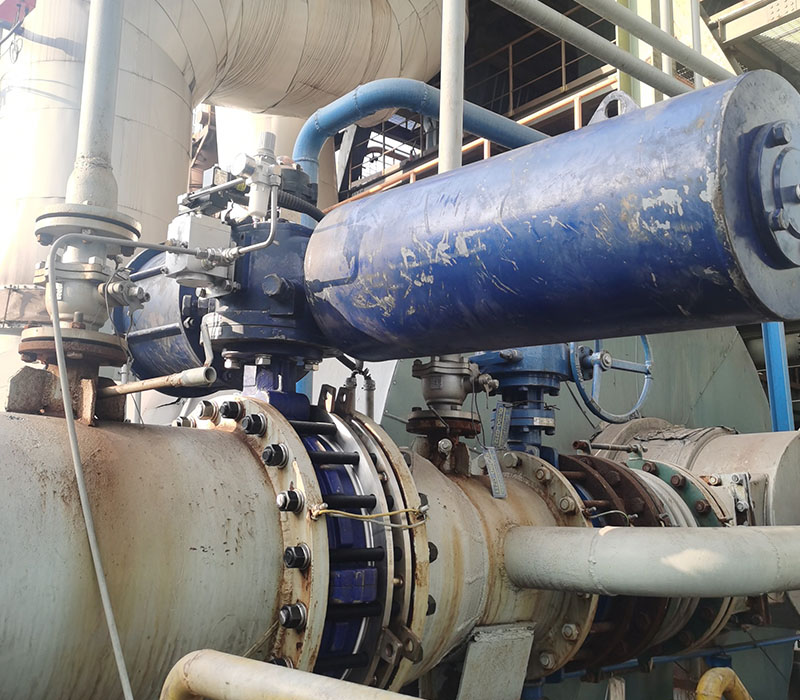
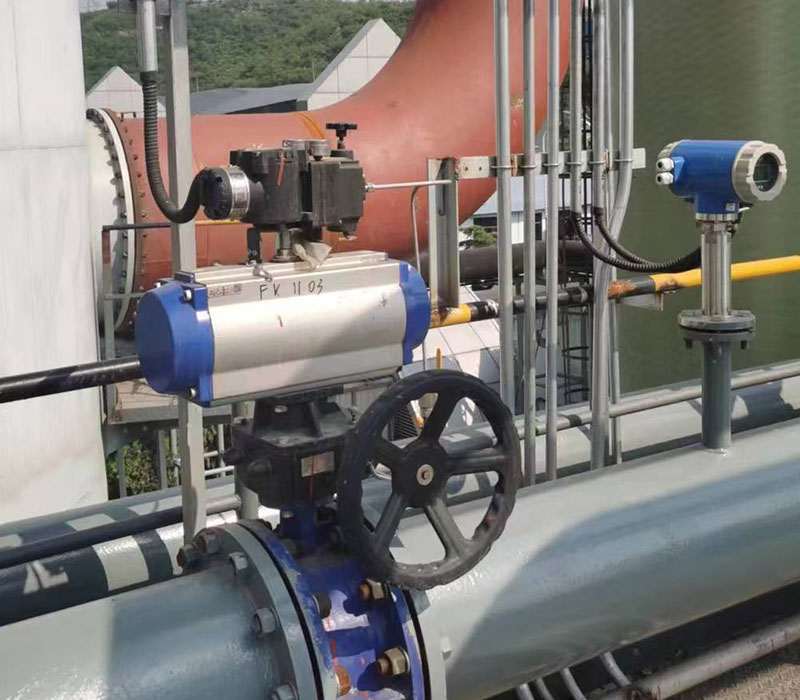
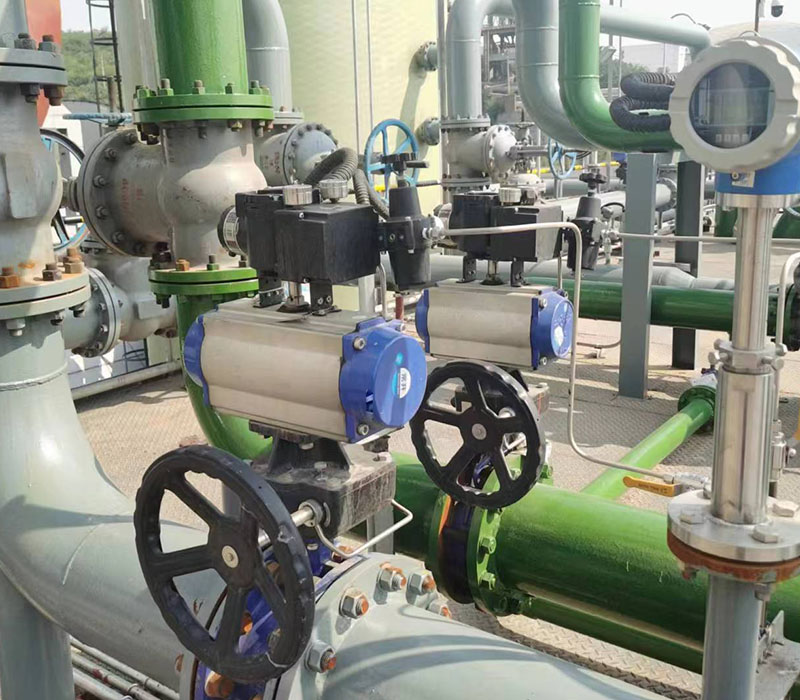
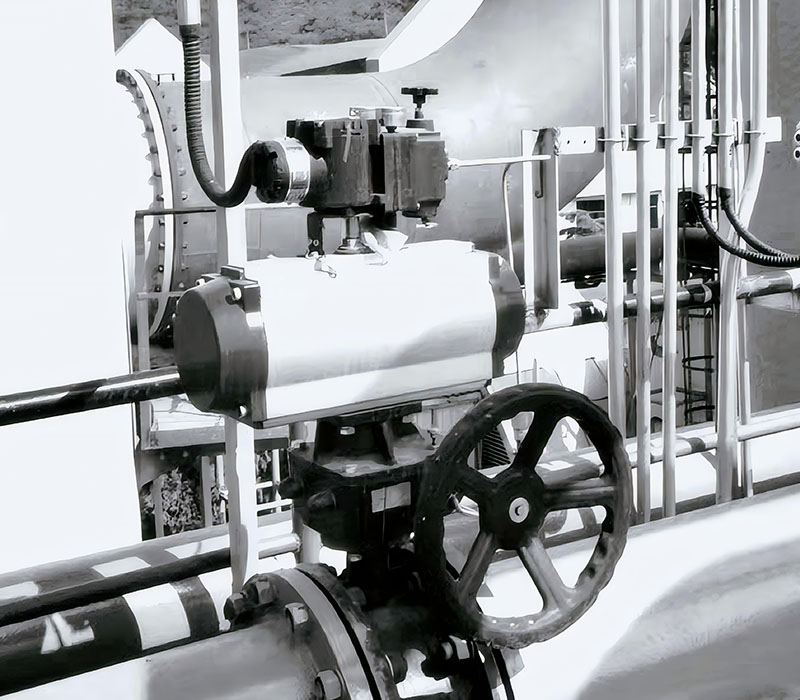
In the simplest terms, asoft seal butterfly valve is a quarter-turn valve that utilizes a circular disc to control flow. Unlike traditional valves, the disc is positioned in the center of the pipe, and turning the handle rotates the disc, either allowing or obstructing flow. The ‘soft seal’ refers to the sealing mechanism, which typically consists of rubber or other elastic materials, ensuring a tight seal when closed.
Why Choose a Soft Seal Butterfly Valve?
Well, for starters, they are compact and lightweight, making installation a breeze. Plus, their design allows for quick opening and closing, which is essential in many applications. But here’s the kicker: they offer excellent flow control and low pressure drop, which can save you a few bucks on energy costs in the long run. Sounds good, right?
Considerations Before Installation
Now, before you rush to install asoft seal butterfly valve, take a moment to consider the following:
Operating Conditions: What’s the pressure and temperature of the fluid? Ensure that the valve you choose can handle the specific conditions of your application.
Material Compatibility: The materials in the valve must be compatible with the fluid being controlled to prevent corrosion or degradation over time.
Installation Orientation: Butterfly valves can be installed in various orientations, but the best practice is to follow manufacturer guidelines to ensure optimal performance.
Maintenance Matters
Hey, don’t forget about maintenance! Asoft seal butterfly valve is generally low-maintenance, but regular checks can prevent unnecessary headaches. Here are a few tips:
Inspect Seals: Regularly check the seals for wear and tear. A worn seal can lead to leaks, which can be a real nuisance!
Clean Regularly: Debris buildup can affect the valve’s performance, so keep it clean to ensure smooth operation.
Check for Proper Operation: Periodically test the valve to make sure it opens and closes smoothly without any hitches.
Common Pitfalls to Avoid
Let’s be real; no one wants to deal with problems down the line. Here are some common pitfalls to steer clear of:
Over-torquing: Applying too much torque can damage the valve. Just give it a snug fit and you’ll be golden!
Neglecting the Environment: If your valve is exposed to harsh environmental conditions, consider protective measures to prolong its lifespan.
Ignoring Manufacturer Guidelines: Always read the installation and operation manual. Those guidelines are there for a reason!
Conclusion
In a nutshell, thesoft seal butterfly valve is an excellent choice for various applications—if you keep these considerations in mind. Whether you’re working on a small-scale project or a massive industrial operation, understanding the nuances of this valve type can make all the difference. So, roll up your sleeves, do your homework, and you’ll be well on your way to successful valve operation. Cheers!
Learn More
Ride the Wind and Waves, Forge Ahead.
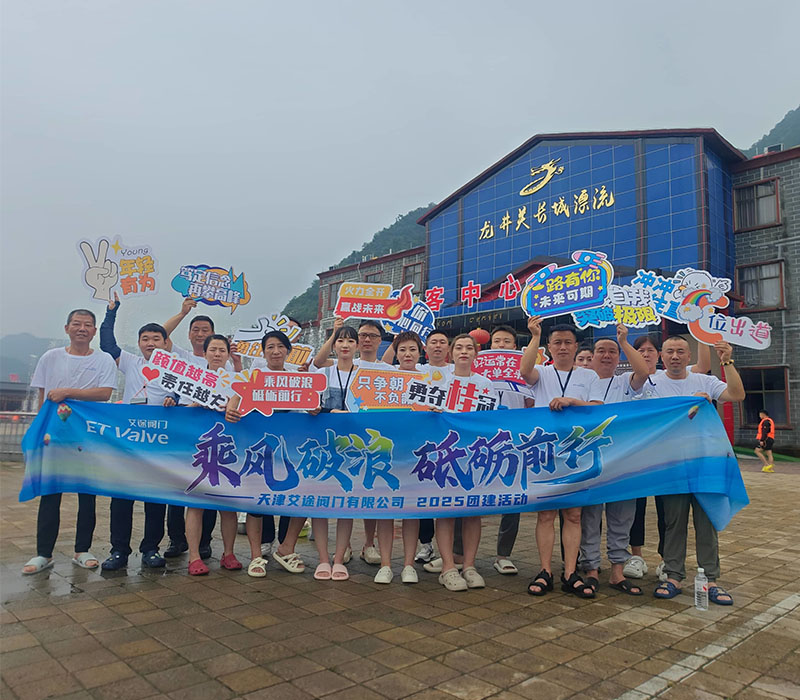
In the passionate and fiery midsummer season, Aitu Valve Co., Ltd. launched a three-day team expedition under the slogan “Ride the Wind and Waves, Forge Ahead.” We temporarily left behind our busy work to explore the mountains and rivers, testing our teamwork in the rushing waters and witnessing the power of will atop towering peaks, profoundly embodying the Aitu spirit of daring to venture, striving hard, and winning together as a team.
Riding the Waves: Teamwork Battle in the Longjingguan Great Wall Rafting
On the first day arriving at Longjingguan Great Wall rafting, everyone quickly formed teams, took up paddles, and set off to face the waves. The river was sometimes calm like a mirror, allowing us to quietly admire the lush mountains; at other times, the rapids surged fiercely, requiring the whole team to work together to steer steadily forward. The waves crashed against us, but no one backed down—some loudly guided the direction, others focused on maintaining balance, trusting and cooperating tacitly.
“Ride the Wind and Waves” is not just a slogan but a true reflection of this moment. We deeply understand that only by working together with a unified goal can we overcome the waves and reach the destination. Just like Aitu, when facing market changes and technical challenges, always upholding the belief: fearless of difficulties, forging ahead through the waves.
Climbing Up: A Test of Perseverance Among the Mountains
The next day’s mountain climb was an ultimate challenge of physical strength and willpower. The steps were steep, and the mountain paths winding, much like the various technical bottlenecks and project difficulties we encounter in daily work. Some took the initiative to share the load, others reached out to help teammates, and even on the toughest sections, coordinated cheers could be heard.
“Forge Ahead” became incredibly real at this moment—every step forward required a solid footing; every breath was for a higher perspective. When the team finally reached the summit, overlooking the winding Great Wall and the surging clouds, we were even more convinced: as long as the direction is unified and we support each other, no peak is unreachable.
Summary and Outlook: Witnessed by Mountains and Rivers, Embarking on a New Journey Together
At the final day’s summary meeting, everyone sat together to share insights inspired by the slogan “Ride the Wind and Waves, Forge Ahead.” One colleague said, “Rafting is like market expansion; we must dare to face the waves.” Another reflected, “Climbing is like tackling technical challenges; we must persist step by step without giving up.”
Company management emphasized in the summary: “Aitu Valve is a company with innovation and resilience as its genes. This expedition was not only a team-building event but also a tempering of team belief. May we bring back the courage of ‘riding the wind and waves’ and the perseverance of ‘forging ahead’ to our work, continuing to provide customers with more reliable valve solutions and creating greater value for the industry.”
Conclusion
Though the three-day journey was short, it deepened every team member’s understanding of trust, cooperation, and perseverance. Witnessed by mountains and rivers, named by the waves; Aitu Valve will continue to break the waves with the spirit of the brave and climb with the perseverance of the traveler, forging ahead on the path of innovation in industrial valves—riding the wind and waves, forging ahead!
Learn More
Discover how butterfly valves enhance efficiency in various industrial applications.
Discover how butterfly valves enhance efficiency in various industrial applications. Learn about their advantages and best practices.
Understanding the Butterfly Valve
When we talk about industrial solutions, one component that often flutters under the radar is the butterfly valve. This nifty device is a game-changer in the world of fluid control. Imagine a valve that not only regulates flow but does so with remarkable efficiency and a compact design. Sounds appealing, right?
The Anatomy of a Butterfly Valve
So, what makes this valve so unique? At its core, the butterfly valve consists of a disc that rotates around a central axis. When you turn the handle, the disc opens or closes the flow of fluid with minimal resistance. It’s like flipping a switch but for liquids and gases!
Why Industries Love Butterfly Valves
Industries are all abuzz about the benefits of using a butterfly valve. Here’s a quick rundown of why they’re a popular choice:
Space Savers: Their compact design allows for easy installation in tight spaces.
Cost-Effective: They’re generally less expensive to manufacture and maintain compared to other types of valves.
Quick Operation: With just a quarter turn, these valves can open or close, making them incredibly efficient.
Durability: Made from robust materials, they can withstand harsh conditions.
Applications Across Industries
The versatility of the butterfly valve is nothing short of impressive. From water treatment plants to chemical processing, you’ll find these valves at work everywhere!
Water Treatment
In water treatment facilities, butterfly valves help regulate the flow of water, ensuring that systems run smoothly. Their ability to handle large volumes of fluid while maintaining pressure is crucial for effective treatment processes.
Food and Beverage
Did you know that butterfly valves are also used in the food and beverage industry? They ensure that the flow of products is controlled and hygienic, meeting health regulations without compromising efficiency.
Choosing the Right Butterfly Valve
Alright, so you’re sold on the idea of using a butterfly valve. But how do you choose the right one? Here are some considerations:
Material: Depending on the fluid type, the material can vary. Options include stainless steel, PVC, and more.
Size: Make sure you select a valve that fits your piping system perfectly.
Pressure Rating: Always check the pressure rating to ensure it meets your operational needs.
Installation and Maintenance Tips
Now that you’ve got your butterfly valve, it’s time to install it! Here are a few tips to ensure everything goes smoothly:
Always follow the manufacturer’s guidelines for installation.
Regularly check for leaks or signs of wear and tear.
Keep the valve clean and free of debris to maintain optimal performance.
The Future of Butterfly Valves
The future looks bright for butterfly valves. As industries evolve, so do the technologies surrounding fluid control. Innovations like smart valves with integrated sensors are on the rise, providing real-time data and enhanced control.
Final Thoughts
In a nutshell, the butterfly valve is a small but mighty player in the industrial arena. Its efficiency, versatility, and ease of use make it a favorite among engineers and operators alike. So, whether you’re in water treatment, food processing, or any other industry, consider adding a butterfly valve to your toolkit. You won’t regret it!
Learn More
The energy internet is a key element of China’s energy revolution.
Rifkin posits that the Third Industrial Revolution is driven by the convergence of energy and the Internet; in the future, the generation, distribution, and consumption of electricity will shift from traditional centralized models to intelligent, decentralized ones. Hundreds of millions of people will generate green energy on their rooftops and in their fields, trading it with one another via the energy internet. The energy powering economies across the globe will be produced at a marginal cost approaching zero.
Developing the energy internet is viewed as a key strategic focus for my country to boost its economy and drive transformational growth, with the potential to create an industry worth 20 trillion yuan over the next decade. What conditions are required to realize a global energy internet? What is the significance of developing the energy internet for my country, and what challenges lie ahead? A reporter interviewed He Jijiang, Director of the Policy Research Office at Tsinghua University’s Energy Internet Innovation Institute, to discuss these issues.
Reporter: What is your take on the new concept of the “energy internet”?
He Jijiang: The energy internet is a concept introduced by Jeremy Rifkin, author of *The Third Industrial Revolution*. In his vision, the energy internet integrates internet technology with renewable energy, transforming global power grids into energy-sharing networks and enabling a shift from centralized fossil fuel utilization to distributed renewable energy use.
Rifkin also discusses the possibility of intercontinental energy sharing: “When one half of the Earth is in darkness, surplus energy can be intelligently transferred via the internet to the other hemisphere, which is in daylight.” While many dismissed Rifkin’s theories as fanciful, Liu Zhenya, Chairman of the State Grid Corporation of China, has planned to put them into practice; in his new book published in February 2015, titled *Global…* …in *Global Energy Interconnection*, a comprehensive global blueprint for the concept of an energy interconnection was laid out. It envisions a robust, smart, and globally interconnected grid—spanning nations and continents—that relies on advanced ultra-high-voltage (UHV) and smart grid technologies. This grid would link wind power from the Arctic, solar power from the equatorial regions, and large-scale renewable energy bases across continents to major load centers, with the goal of establishing a globally interconnected system by 2050.
Reporter: What is the significance of the Global Energy Interconnection?
He Jijiang: The Global Energy Interconnection is a magnificent initiative. It not only proposes a clean energy solution for China but also contributes a comprehensive energy strategy for the world to address climate change, offering a tangible possibility from a technical perspective. Through this interconnection, renewable energy sources—such as wind, solar, and marine energy—can be efficiently transmitted to diverse users across the globe. By 2050, clean energy is projected to account for approximately 80% of total primary energy consumption, becoming the dominant energy source; at that stage, global carbon emissions would be only about half of 1990 levels, making it possible to achieve the goal of limiting the global temperature rise to within 2 degrees Celsius.
The significance of the Global Energy Interconnection extends beyond the long-distance transmission of clean energy. It also emphasizes the creation of a ubiquitous national smart grid capable of seamlessly integrating intermittent power sources (like wind and solar) and various distributed energy resources, while allowing energy-consuming devices to connect and operate instantly. Furthermore, it entails the integration of the grid with the Internet, the Internet of Things (IoT), and smart mobile terminals. This will enable the extensive collection of data regarding clean power generation and consumption patterns, which will [facilitate] the accounting of greenhouse gases… …providing technical support, it offers a potential pathway toward establishing a globally unified standard for carbon reduction MRV (Measurable, Reportable, and Verifiable). On the other hand, distributed generation and distributed energy storage achieve data integration through the energy internet; this ensures the collectability and authenticity of data from distributed emission reduction projects, significantly lowers project verification costs, and creates the technical possibility of aggregating distributed projects into CDM or Chinese CCER emission reduction projects—thereby offering new technical feasibility for boosting carbon markets and even advancing the creation of a global carbon market.
Reporter: What conditions are required to realize a global energy internet?
He Jijiang: For the global energy internet, the core objective is to prioritize the transmission of clean energy. Ultra-high voltage (UHV) technology represents a major technical innovation achieved by the State Grid in recent years; UHV transmission technology and energy internet technology together constitute the two pillars of the global energy internet—neither can do without the other.
Without energy internet technology, using UHV technology solely to achieve intercontinental grid interconnection would merely result in a global UHV power grid. If the electricity transmitted by such a grid comes primarily from large coal-fired power plants rather than clean energy sources like wind or solar power, it bears no relation to the energy internet concept described by Jeremy Rifkin. A true energy internet leverages internet technology to make renewable energy the dominant energy source. By connecting regional energy internets across the globe via UHV technology and truly enabling the sharing of global renewable energy, a global energy internet is genuinely formed.
Reporter: Currently, from… From a technical perspective, what bottlenecks does the Energy Internet still face?
He Jijiang: The core objective of developing the Energy Internet is to leverage internet technology to facilitate information exchange among various devices within a vast energy network—centered on the power system—thereby achieving a real-time balance between energy production and consumption. Current Ultra-High Voltage (UHV) projects have already demonstrated the capability for intercontinental power transmission. However, while the intercontinental grid envisioned by Jeremy Rifkin focuses on transmitting renewable energy, current UHV systems primarily transmit coal-fired power, supplemented by wind and solar energy. To transmit wind and solar power over long distances via UHV, it is essential to utilize internet technology to support long-distance, high-capacity demand response capabilities. In this context, the UHV grid serves not merely as a medium for power transmission; by integrating with the internet, the Internet of Things (IoT), and smart mobile terminals, it evolves into my country’s future Energy Internet platform, enabling the large-scale development and utilization of clean energy.
Wide-area coordination of massive numbers of distributed devices, combined with future “plug-and-play” distributed energy storage systems capable of bidirectional interaction, can provide long-distance, high-capacity demand-side response capabilities. For large-scale distributed energy storage equipment to operate efficiently within a global energy internet, dynamic pricing and a global electricity market are indispensable institutional supports. A sufficiently large price differential between peak and off-peak periods can incentivize investors and ordinary households to actively participate in the electricity market. Leveraging advanced internet technology, consumers can automatically adjust their electricity consumption patterns and the operating status of their energy storage devices based on real-time electricity prices.
In his 2015 Report on the Work of the Government, Premier Li Keqiang proposed the formulation of the “Internet Plus” action plan. “Internet Plus Smart Energy”… …documents from the National Energy Administration equate it with the “Energy Internet.” With the release of “Document No. 9” on power sector reform, the goals of “establishing a mechanism where the market determines electricity prices” and “building a power market system” will be gradually realized. This will implement Premier Li Keqiang’s “Internet Plus” initiative, drive the development of China’s Energy Internet, and propel the energy revolution in China and across the globe.
Reporter: What does the Energy Internet mean for my country? What role does it play in the transformation of the country’s energy structure?
He Jijiang: I believe the Energy Internet is the pivotal element of China’s energy revolution. To address the challenges of global climate change, global energy development must enter the era of the “third energy revolution,” which is centered on decarbonization. General Secretary Xi Jinping proposed the energy revolution in June 2014. This revolution must effectively resolve issues regarding China’s energy supply, air quality, and climate change.
China’s revolutions in energy production and consumption should be largely achieved by 2050. The goal is to create a clean, low-carbon, safe, and reliable energy system that minimizes the share of fossil fuels, significantly increases the proportion of renewable energy in consumption, and gradually establishes a diversified, low-carbon, and secure supply system dominated by renewables. This entails fostering spatial patterns, industrial structures, production methods, and lifestyles that fully integrate energy conservation, the substitution of clean energy, and the utilization of renewable energy. Currently, the core of China’s energy revolution is to advance the shift toward clean energy… …clean alternatives, transforming the current high-carbon energy structure—dominated by coal—into a low-carbon structure centered on renewable energy.
As an effective solution for integrating high proportions of renewable energy, the Energy Internet represents a strategic choice for advancing my country’s energy revolution.
The development of the Energy Internet is not merely an extension of existing energy production, consumption patterns, and institutional frameworks; rather, it acts as a technological revolution that drives systemic changes in production, consumption, and institutional structures, as well as adjustments to the energy mix, thereby powerfully propelling my country’s energy revolution.
Advancing the energy revolution comprehensively goes beyond simply increasing supply or improving efficiency; it requires a holistic transformation to establish a brand-new energy flow system and innovative modes of energy application. The goal is to build an Energy Internet characterized by intelligent infrastructure, interactive production and consumption, and seamless information flow. This revolution will drive structural restructuring in sectors such as electric power and petroleum, as well as the functional unbundling of utility enterprises; it will reshape existing industrial structures and organizational models, spawning numerous emerging industrial opportunities and new drivers of economic growth. Through the widespread adoption of new energy sources, advanced power electronics, novel energy storage materials, and next-generation Internet technologies, deep integration between energy networks and information networks can be achieved. This integration enhances interactivity and flexibility between energy supply and consumption, significantly boosts the utilization rate of energy assets, resolves bottlenecks in renewable energy transmission and utilization, and serves the strategic imperatives of national energy security.
Learn More

Innovative Butterfly Valve for Diversified Industrial Needs
In today’s industrial development, the chemical, environmental protection, and food processing industries have increasingly higher performance requirements for valves. The successful development of a high-performance center-line soft-sealed butterfly valve provides strong support for the upgrading and development of these industries.
The company has been deeply involved in the field of powder conveying and fluid control for many years and has accumulated rich experience. Targeting the different characteristics of media in the chemical, environmental protection, and food processing industries, the company has carefully optimized the design of the center-line soft-sealed butterfly valve. Using an innovative sealing structure, it effectively solves the problem of easy jamming of traditional valves in viscous media, ensuring that the valve can open and close smoothly. At the same time, the application of special material technology has greatly improved the valve’s resistance to corrosive media, reducing wear and corrosion, and extending the service life of the valve.
In the chemical industry, this butterfly valve can adapt to various complex chemical reaction environments, providing safety and stability for chemical production. In the environmental protection industry, it helps to improve the operating efficiency of pollution control equipment and reduce environmental pollution. In the food processing industry, its good sealing and hygiene performance ensures the safety and hygiene of the food production process. The emergence of this center-line soft-sealed butterfly valve has promoted the technological upgrading of the chemical, environmental protection, and food processing industries and has contributed to the sustainable development of the industry.
Learn More
Hygienic Butterfly Valve for Food Industry
The food processing industry has strict requirements for hygiene, safety, and equipment reliability. A valve company specializing in the research and development and manufacturing of center-line soft-seated butterfly valves has successfully met these requirements, bringing good news to food processing enterprises.
The company’s extensive experience in powder conveying and fluid control allows it to accurately grasp the characteristics of various media in the food processing process. For media such as particulate fluids and corrosive additives that may be encountered in food processing, the company has adopted an innovative sealing structure. This structure ensures that the valve will not leak media during frequent opening and closing, avoiding contamination of food and meeting the hygiene standards of the food processing industry. At the same time, the use of special material technology gives the valve good wear resistance and corrosion resistance, allowing it to withstand the long-term effects of food processing media. Even in harsh environments such as high temperature and high humidity, it can maintain stable performance, significantly improving the service life of the product.
This center-line soft-seated butterfly valve has been highly recognized in the application of food processing enterprises. It provides reliable assurance for fluid control in the food processing process, helping enterprises improve production quality and efficiency and meet consumer requirements for food safety and quality.
Learn More
Categories
Recent Posts
-
Understanding the Soft Seal Butterfly Valve7 月 7, 2026 -
Ride the Wind and Waves, Forge Ahead.7 月 7, 2026 -