Understanding the Soft Seal Butterfly Valve
When it comes to controlling flow in various industrial applications, the soft seal butterfly valve stands out as a reliable choice. With its unique design, this valve type allows for efficient regulation of liquid and gas flow. But hold on! Before you dive into using one, there are several important considerations to keep in mind.
The Basics: What Is a Soft Seal Butterfly Valve?
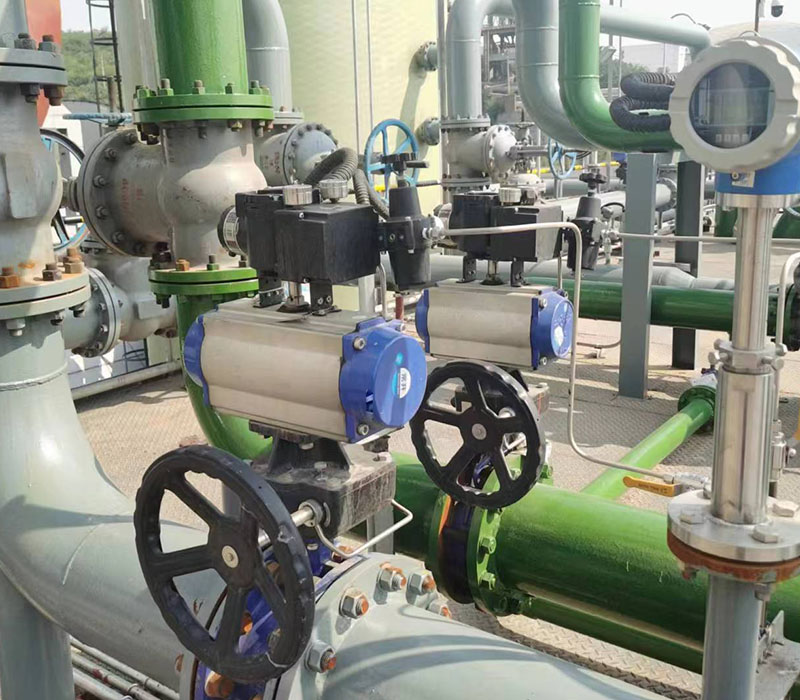
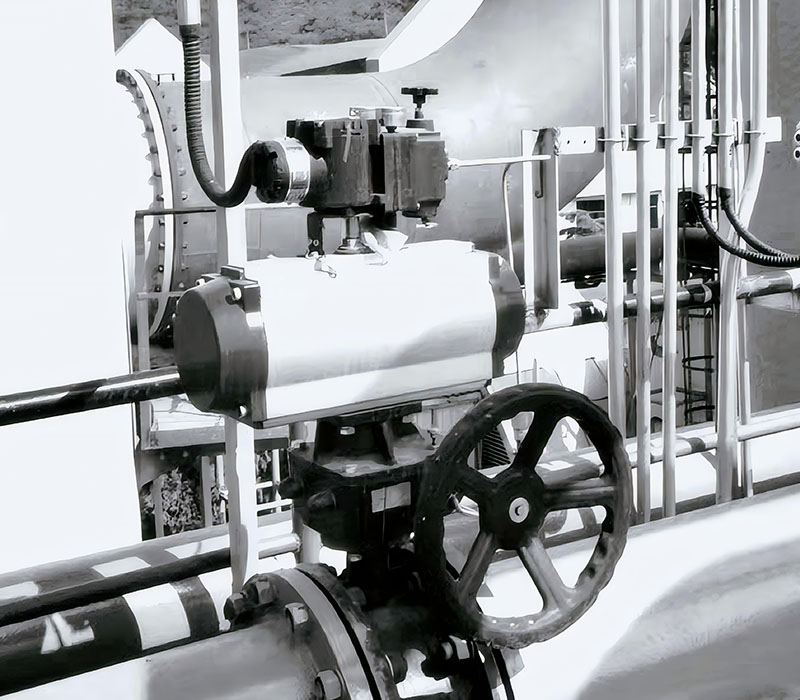
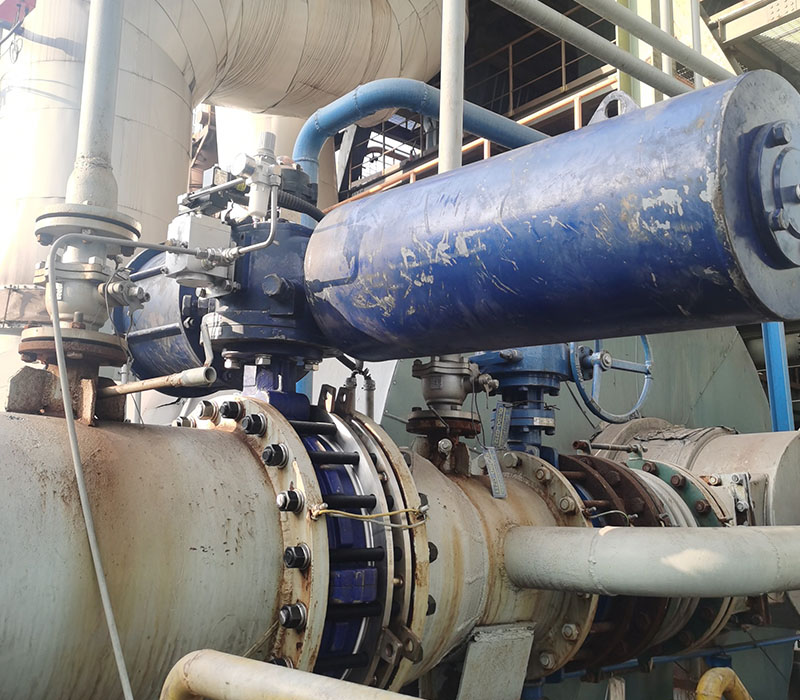
In the simplest terms, asoft seal butterfly valve is a quarter-turn valve that utilizes a circular disc to control flow. Unlike traditional valves, the disc is positioned in the center of the pipe, and turning the handle rotates the disc, either allowing or obstructing flow. The ‘soft seal’ refers to the sealing mechanism, which typically consists of rubber or other elastic materials, ensuring a tight seal when closed.
Why Choose a Soft Seal Butterfly Valve?
Well, for starters, they are compact and lightweight, making installation a breeze. Plus, their design allows for quick opening and closing, which is essential in many applications. But here’s the kicker: they offer excellent flow control and low pressure drop, which can save you a few bucks on energy costs in the long run. Sounds good, right?
Considerations Before Installation
Now, before you rush to install asoft seal butterfly valve, take a moment to consider the following:
Operating Conditions: What’s the pressure and temperature of the fluid? Ensure that the valve you choose can handle the specific conditions of your application.
Material Compatibility: The materials in the valve must be compatible with the fluid being controlled to prevent corrosion or degradation over time.
Installation Orientation: Butterfly valves can be installed in various orientations, but the best practice is to follow manufacturer guidelines to ensure optimal performance.
Maintenance Matters
Hey, don’t forget about maintenance! Asoft seal butterfly valve is generally low-maintenance, but regular checks can prevent unnecessary headaches. Here are a few tips:
Inspect Seals: Regularly check the seals for wear and tear. A worn seal can lead to leaks, which can be a real nuisance!
Clean Regularly: Debris buildup can affect the valve’s performance, so keep it clean to ensure smooth operation.
Check for Proper Operation: Periodically test the valve to make sure it opens and closes smoothly without any hitches.
Common Pitfalls to Avoid
Let’s be real; no one wants to deal with problems down the line. Here are some common pitfalls to steer clear of:
Over-torquing: Applying too much torque can damage the valve. Just give it a snug fit and you’ll be golden!
Neglecting the Environment: If your valve is exposed to harsh environmental conditions, consider protective measures to prolong its lifespan.
Ignoring Manufacturer Guidelines: Always read the installation and operation manual. Those guidelines are there for a reason!
Conclusion
In a nutshell, thesoft seal butterfly valve is an excellent choice for various applications—if you keep these considerations in mind. Whether you’re working on a small-scale project or a massive industrial operation, understanding the nuances of this valve type can make all the difference. So, roll up your sleeves, do your homework, and you’ll be well on your way to successful valve operation. Cheers!
Learn More
Discover how butterfly valves enhance efficiency in various industrial applications.
Discover how butterfly valves enhance efficiency in various industrial applications. Learn about their advantages and best practices.
Understanding the Butterfly Valve
When we talk about industrial solutions, one component that often flutters under the radar is the butterfly valve. This nifty device is a game-changer in the world of fluid control. Imagine a valve that not only regulates flow but does so with remarkable efficiency and a compact design. Sounds appealing, right?
The Anatomy of a Butterfly Valve
So, what makes this valve so unique? At its core, the butterfly valve consists of a disc that rotates around a central axis. When you turn the handle, the disc opens or closes the flow of fluid with minimal resistance. It’s like flipping a switch but for liquids and gases!
Why Industries Love Butterfly Valves
Industries are all abuzz about the benefits of using a butterfly valve. Here’s a quick rundown of why they’re a popular choice:
Space Savers: Their compact design allows for easy installation in tight spaces.
Cost-Effective: They’re generally less expensive to manufacture and maintain compared to other types of valves.
Quick Operation: With just a quarter turn, these valves can open or close, making them incredibly efficient.
Durability: Made from robust materials, they can withstand harsh conditions.
Applications Across Industries
The versatility of the butterfly valve is nothing short of impressive. From water treatment plants to chemical processing, you’ll find these valves at work everywhere!
Water Treatment
In water treatment facilities, butterfly valves help regulate the flow of water, ensuring that systems run smoothly. Their ability to handle large volumes of fluid while maintaining pressure is crucial for effective treatment processes.
Food and Beverage
Did you know that butterfly valves are also used in the food and beverage industry? They ensure that the flow of products is controlled and hygienic, meeting health regulations without compromising efficiency.
Choosing the Right Butterfly Valve
Alright, so you’re sold on the idea of using a butterfly valve. But how do you choose the right one? Here are some considerations:
Material: Depending on the fluid type, the material can vary. Options include stainless steel, PVC, and more.
Size: Make sure you select a valve that fits your piping system perfectly.
Pressure Rating: Always check the pressure rating to ensure it meets your operational needs.
Installation and Maintenance Tips
Now that you’ve got your butterfly valve, it’s time to install it! Here are a few tips to ensure everything goes smoothly:
Always follow the manufacturer’s guidelines for installation.
Regularly check for leaks or signs of wear and tear.
Keep the valve clean and free of debris to maintain optimal performance.
The Future of Butterfly Valves
The future looks bright for butterfly valves. As industries evolve, so do the technologies surrounding fluid control. Innovations like smart valves with integrated sensors are on the rise, providing real-time data and enhanced control.
Final Thoughts
In a nutshell, the butterfly valve is a small but mighty player in the industrial arena. Its efficiency, versatility, and ease of use make it a favorite among engineers and operators alike. So, whether you’re in water treatment, food processing, or any other industry, consider adding a butterfly valve to your toolkit. You won’t regret it!
Learn More
The energy internet is a key element of China’s energy revolution.
Rifkin posits that the Third Industrial Revolution is driven by the convergence of energy and the Internet; in the future, the generation, distribution, and consumption of electricity will shift from traditional centralized models to intelligent, decentralized ones. Hundreds of millions of people will generate green energy on their rooftops and in their fields, trading it with one another via the energy internet. The energy powering economies across the globe will be produced at a marginal cost approaching zero.
Developing the energy internet is viewed as a key strategic focus for my country to boost its economy and drive transformational growth, with the potential to create an industry worth 20 trillion yuan over the next decade. What conditions are required to realize a global energy internet? What is the significance of developing the energy internet for my country, and what challenges lie ahead? A reporter interviewed He Jijiang, Director of the Policy Research Office at Tsinghua University’s Energy Internet Innovation Institute, to discuss these issues.
Reporter: What is your take on the new concept of the “energy internet”?
He Jijiang: The energy internet is a concept introduced by Jeremy Rifkin, author of *The Third Industrial Revolution*. In his vision, the energy internet integrates internet technology with renewable energy, transforming global power grids into energy-sharing networks and enabling a shift from centralized fossil fuel utilization to distributed renewable energy use.
Rifkin also discusses the possibility of intercontinental energy sharing: “When one half of the Earth is in darkness, surplus energy can be intelligently transferred via the internet to the other hemisphere, which is in daylight.” While many dismissed Rifkin’s theories as fanciful, Liu Zhenya, Chairman of the State Grid Corporation of China, has planned to put them into practice; in his new book published in February 2015, titled *Global…* …in *Global Energy Interconnection*, a comprehensive global blueprint for the concept of an energy interconnection was laid out. It envisions a robust, smart, and globally interconnected grid—spanning nations and continents—that relies on advanced ultra-high-voltage (UHV) and smart grid technologies. This grid would link wind power from the Arctic, solar power from the equatorial regions, and large-scale renewable energy bases across continents to major load centers, with the goal of establishing a globally interconnected system by 2050.
Reporter: What is the significance of the Global Energy Interconnection?
He Jijiang: The Global Energy Interconnection is a magnificent initiative. It not only proposes a clean energy solution for China but also contributes a comprehensive energy strategy for the world to address climate change, offering a tangible possibility from a technical perspective. Through this interconnection, renewable energy sources—such as wind, solar, and marine energy—can be efficiently transmitted to diverse users across the globe. By 2050, clean energy is projected to account for approximately 80% of total primary energy consumption, becoming the dominant energy source; at that stage, global carbon emissions would be only about half of 1990 levels, making it possible to achieve the goal of limiting the global temperature rise to within 2 degrees Celsius.
The significance of the Global Energy Interconnection extends beyond the long-distance transmission of clean energy. It also emphasizes the creation of a ubiquitous national smart grid capable of seamlessly integrating intermittent power sources (like wind and solar) and various distributed energy resources, while allowing energy-consuming devices to connect and operate instantly. Furthermore, it entails the integration of the grid with the Internet, the Internet of Things (IoT), and smart mobile terminals. This will enable the extensive collection of data regarding clean power generation and consumption patterns, which will [facilitate] the accounting of greenhouse gases… …providing technical support, it offers a potential pathway toward establishing a globally unified standard for carbon reduction MRV (Measurable, Reportable, and Verifiable). On the other hand, distributed generation and distributed energy storage achieve data integration through the energy internet; this ensures the collectability and authenticity of data from distributed emission reduction projects, significantly lowers project verification costs, and creates the technical possibility of aggregating distributed projects into CDM or Chinese CCER emission reduction projects—thereby offering new technical feasibility for boosting carbon markets and even advancing the creation of a global carbon market.
Reporter: What conditions are required to realize a global energy internet?
He Jijiang: For the global energy internet, the core objective is to prioritize the transmission of clean energy. Ultra-high voltage (UHV) technology represents a major technical innovation achieved by the State Grid in recent years; UHV transmission technology and energy internet technology together constitute the two pillars of the global energy internet—neither can do without the other.
Without energy internet technology, using UHV technology solely to achieve intercontinental grid interconnection would merely result in a global UHV power grid. If the electricity transmitted by such a grid comes primarily from large coal-fired power plants rather than clean energy sources like wind or solar power, it bears no relation to the energy internet concept described by Jeremy Rifkin. A true energy internet leverages internet technology to make renewable energy the dominant energy source. By connecting regional energy internets across the globe via UHV technology and truly enabling the sharing of global renewable energy, a global energy internet is genuinely formed.
Reporter: Currently, from… From a technical perspective, what bottlenecks does the Energy Internet still face?
He Jijiang: The core objective of developing the Energy Internet is to leverage internet technology to facilitate information exchange among various devices within a vast energy network—centered on the power system—thereby achieving a real-time balance between energy production and consumption. Current Ultra-High Voltage (UHV) projects have already demonstrated the capability for intercontinental power transmission. However, while the intercontinental grid envisioned by Jeremy Rifkin focuses on transmitting renewable energy, current UHV systems primarily transmit coal-fired power, supplemented by wind and solar energy. To transmit wind and solar power over long distances via UHV, it is essential to utilize internet technology to support long-distance, high-capacity demand response capabilities. In this context, the UHV grid serves not merely as a medium for power transmission; by integrating with the internet, the Internet of Things (IoT), and smart mobile terminals, it evolves into my country’s future Energy Internet platform, enabling the large-scale development and utilization of clean energy.
Wide-area coordination of massive numbers of distributed devices, combined with future “plug-and-play” distributed energy storage systems capable of bidirectional interaction, can provide long-distance, high-capacity demand-side response capabilities. For large-scale distributed energy storage equipment to operate efficiently within a global energy internet, dynamic pricing and a global electricity market are indispensable institutional supports. A sufficiently large price differential between peak and off-peak periods can incentivize investors and ordinary households to actively participate in the electricity market. Leveraging advanced internet technology, consumers can automatically adjust their electricity consumption patterns and the operating status of their energy storage devices based on real-time electricity prices.
In his 2015 Report on the Work of the Government, Premier Li Keqiang proposed the formulation of the “Internet Plus” action plan. “Internet Plus Smart Energy”… …documents from the National Energy Administration equate it with the “Energy Internet.” With the release of “Document No. 9” on power sector reform, the goals of “establishing a mechanism where the market determines electricity prices” and “building a power market system” will be gradually realized. This will implement Premier Li Keqiang’s “Internet Plus” initiative, drive the development of China’s Energy Internet, and propel the energy revolution in China and across the globe.
Reporter: What does the Energy Internet mean for my country? What role does it play in the transformation of the country’s energy structure?
He Jijiang: I believe the Energy Internet is the pivotal element of China’s energy revolution. To address the challenges of global climate change, global energy development must enter the era of the “third energy revolution,” which is centered on decarbonization. General Secretary Xi Jinping proposed the energy revolution in June 2014. This revolution must effectively resolve issues regarding China’s energy supply, air quality, and climate change.
China’s revolutions in energy production and consumption should be largely achieved by 2050. The goal is to create a clean, low-carbon, safe, and reliable energy system that minimizes the share of fossil fuels, significantly increases the proportion of renewable energy in consumption, and gradually establishes a diversified, low-carbon, and secure supply system dominated by renewables. This entails fostering spatial patterns, industrial structures, production methods, and lifestyles that fully integrate energy conservation, the substitution of clean energy, and the utilization of renewable energy. Currently, the core of China’s energy revolution is to advance the shift toward clean energy… …clean alternatives, transforming the current high-carbon energy structure—dominated by coal—into a low-carbon structure centered on renewable energy.
As an effective solution for integrating high proportions of renewable energy, the Energy Internet represents a strategic choice for advancing my country’s energy revolution.
The development of the Energy Internet is not merely an extension of existing energy production, consumption patterns, and institutional frameworks; rather, it acts as a technological revolution that drives systemic changes in production, consumption, and institutional structures, as well as adjustments to the energy mix, thereby powerfully propelling my country’s energy revolution.
Advancing the energy revolution comprehensively goes beyond simply increasing supply or improving efficiency; it requires a holistic transformation to establish a brand-new energy flow system and innovative modes of energy application. The goal is to build an Energy Internet characterized by intelligent infrastructure, interactive production and consumption, and seamless information flow. This revolution will drive structural restructuring in sectors such as electric power and petroleum, as well as the functional unbundling of utility enterprises; it will reshape existing industrial structures and organizational models, spawning numerous emerging industrial opportunities and new drivers of economic growth. Through the widespread adoption of new energy sources, advanced power electronics, novel energy storage materials, and next-generation Internet technologies, deep integration between energy networks and information networks can be achieved. This integration enhances interactivity and flexibility between energy supply and consumption, significantly boosts the utilization rate of energy assets, resolves bottlenecks in renewable energy transmission and utilization, and serves the strategic imperatives of national energy security.
Learn More

Understanding the Butterfly Valve
Ever heard of a butterfly valve? No, it’s not a delicate insect flitting about in your garden! Instead, it’s a crucial component in numerous piping systems. Designed to control the flow of liquids or gases, these valves are like the gatekeepers of industrial processes. Let’s dive into some vital considerations that you need to keep in mind when working with butterfly valves.
Material Matters
First things first, let’s talk materials. Not all butterfly valves are created equal! Depending on the application, you might find them made of cast iron, stainless steel, or PVC. For instance, if you’re dealing with corrosive substances, opting for a stainless steel butterfly valve might save you a ton of headaches later on. You don’t want to find out the hard way that your valve is rusting away!
Sizing it Right
Now, sizing is a biggie. A butterfly valve that’s too small? You’ll choke the flow. Too big? Well, you might just blow the budget. Measure twice, cut once, as the saying goes! Always consult the manufacturer’s guidelines to determine the appropriate size for your specific needs.
Installation Insights
When it comes to installation, take your time. Rushing this step can lead to misalignment, which can cause all sorts of problems down the line. Make sure to follow the manufacturer’s instructions to the letter. And hey, don’t forget to use the right tools! A butterfly valve installed correctly can last a long time, while a shoddy job can lead to costly repairs.
Proper Maintenance
Ah, maintenance! The unsung hero of longevity. Regular maintenance of your butterfly valve is crucial. It’s simple but effective: check for leaks, inspect seals, and ensure that the actuator is functioning properly. A little TLC goes a long way; after all, you wouldn’t neglect your car’s oil change, would you?
Pressure Points
Let’s not forget about pressure ratings. A butterfly valve must be capable of handling the pressure of the system it’s in. Exceeding the valve’s pressure rating can lead to catastrophic failure. Yikes! Always check the specifications before making a purchase. Better safe than sorry!
The Right Actuator
Choosing the right actuator for your butterfly valve is like picking the right engine for your car. Whether it’s manual, electric, or pneumatic, the actuator needs to match your operational requirements. A mismatched actuator can lead to inefficiencies and increased wear and tear. Talk about a recipe for disaster!
Know Your Flow
Understanding fluid dynamics is key when working with a butterfly valve. The valve’s design influences the flow characteristics. For example, if you’re dealing with a high-viscosity fluid, you may need a valve designed for such applications. It’s all about knowing what you’re working with.
Final Thoughts
In the end, a butterfly valve is an essential component that can make or break your system. By keeping these considerations in mind, you can ensure that your valve operates smoothly and efficiently. So, whether you’re a seasoned pro or a DIY enthusiast, remember: a little knowledge goes a long way!
So, there you have it! With the right attention to detail, your butterfly valve can be a reliable ally in any industrial application. Happy installing!
Learn More
The Marvel of the Ball Valve Series
Ever wondered how industries manage to control the flow of liquids and gases so efficiently? Well, let me introduce you to the unsung hero of fluid dynamics—the ball valve series. These nifty devices are more than just metal pieces; they are the backbone of countless systems, ensuring everything runs smoothly. Buckle up as we dive into the world of ball valves!
What Exactly is a Ball Valve?
A ball valve is a type of quarter-turn valve that uses a hollow, perforated, and pivoting ball to control flow. When the ball’s hole is aligned with the flow, it’s all systems go! But close it, and you’ve got a tight seal. Talk about a game-changer, right?
Why Choose the Ball Valve Series?
Now, you might be wondering why theBall Valve Series stands out among its counterparts. Well, here are a few reasons:
Durability: Made from robust materials, these valves can withstand high pressures and temperatures.
Quick Operation: With just a quarter turn, you can control flow more swiftly than you can say ‘fluid dynamics.’
Versatility: Whether it’s water, oil, or gas, theBall Valve Series can handle it all!
Applications Galore!
The applications of theBall Valve Series are as diverse as they are essential. From residential plumbing to large-scale industrial systems, these valves are everywhere! Here are just a few places you’ll find them:
Oil and Gas Industry: Managing the flow of crude oil and natural gas.
Water Treatment: Controlling the flow of water in treatment facilities.
Food Processing: Ensuring the safe transport of consumables.
Maintenance Tips
Even the best devices need a little TLC! Here are some quick tips to keep yourBall Valve Series in tip-top shape:
Regular Inspections: Check for leaks and wear.
Cleanliness is Key: Keep the valve and surrounding area clean to avoid any blockages.
Lubrication: Ensure that moving parts are well-lubricated for smooth operation.
The Future of Ball Valves
As technology advances, so does the design and functionality of theBall Valve Series. With smart technology on the rise, we can expect to see more automated systems that enhance efficiency and reduce human error. Exciting times ahead!
Final Thoughts
So, there you have it! A quick tour of theBall Valve Series. Whether you’re an industry expert or just someone looking to understand the basics of fluid control, these valves are crucial players in the game. They may be small, but their impact is anything but!
Next time you see a ball valve, give it a nod of appreciation. After all, it’s working hard behind the scenes to keep things flowing smoothly!
Learn More
Understanding Butterfly Valves
Ah, the butterfly valve! It’s a name that brings to mind colorful insects fluttering in the breeze, but in the world of engineering, it’s a different story altogether. So, what’s the deal with these nifty devices? Let’s dive into the basics and unravel some common questions that often leave folks scratching their heads.
What Is a Butterfly Valve?
To put it simply, a butterfly valve is a type of valve used to regulate the flow of liquids or gases. Think of it as a traffic controller for fluids. It works by using a rotating disc to either allow or block flow through the pipe. Easy-peasy, right? This design not only simplifies operation but also minimizes pressure drop, which is a big win in many applications.
How Does It Work?
Picture this: you’re at a concert, and the crowd is buzzing with excitement. Suddenly, the lights dim, and the music starts. Just like that, the butterfly valve opens or closes to control the ‘flow’ of the performance! In technical terms, when the valve is turned (often by a lever or actuator), the disc rotates 90 degrees to either allow full flow or completely shut it off.
Key Features and Benefits
Simplicity: With fewer moving parts, these valves are easier to maintain.
Compact Design: They save space in piping systems.
Cost-Effective: Generally, they’re cheaper to produce and install compared to other valve types.
Common Applications
Butterfly valves are versatile little wonders! You’ll find them in a variety of industries, including:
Water Treatment: Regulating flow in treatment plants.
HVAC Systems: Controlling airflow and temperature.
Oil and Gas: Managing the movement of hydrocarbons.
Frequently Asked Questions
Still got questions? Let’s tackle some of the most common ones!
How Do I Choose the Right Butterfly Valve?
Choosing the right butterfly valve often feels like picking the perfect avocado at the store. You’ve got to consider the size, pressure rating, and the material of the valve. If you’re dealing with corrosive substances, stainless steel might be your best bet. For wastewater applications, ductile iron or PVC could do the trick.
Are Butterfly Valves Reliable?
You bet! When properly installed and maintained, butterfly valves can last for years. Just remember, like any relationship, they require a bit of care. Regular checks and maintenance can prevent unwanted surprises down the line.
Do They Seal Completely?
Ah, the million-dollar question! While butterfly valves can provide a decent seal, they’re not always 100% leak-proof, especially under high-pressure conditions. If a tight seal is essential, consider a different type of valve, like a gate valve.
Final Thoughts
In the grand scheme of things, butterfly valves play a pivotal role in fluid management across various industries. Whether you’re a seasoned engineer or just dipping your toes into the world of plumbing, understanding these valves can help you make informed decisions. So, the next time you hear the term ‘butterfly valve,’ you’ll know it’s not just about pretty wings; it’s about efficiency and control!
With their simple design and versatility, butterfly valves are truly the unsung heroes of fluid dynamics. Here’s to smoother operations and fewer leaks!
Learn More
Categories
Recent Posts
-
Understanding the Soft Seal Butterfly Valve7 月 7, 2026 -
Ride the Wind and Waves, Forge Ahead.7 月 7, 2026 -